The hobbies I keep abandoning (and why I’ve stopped feeling bad about it)
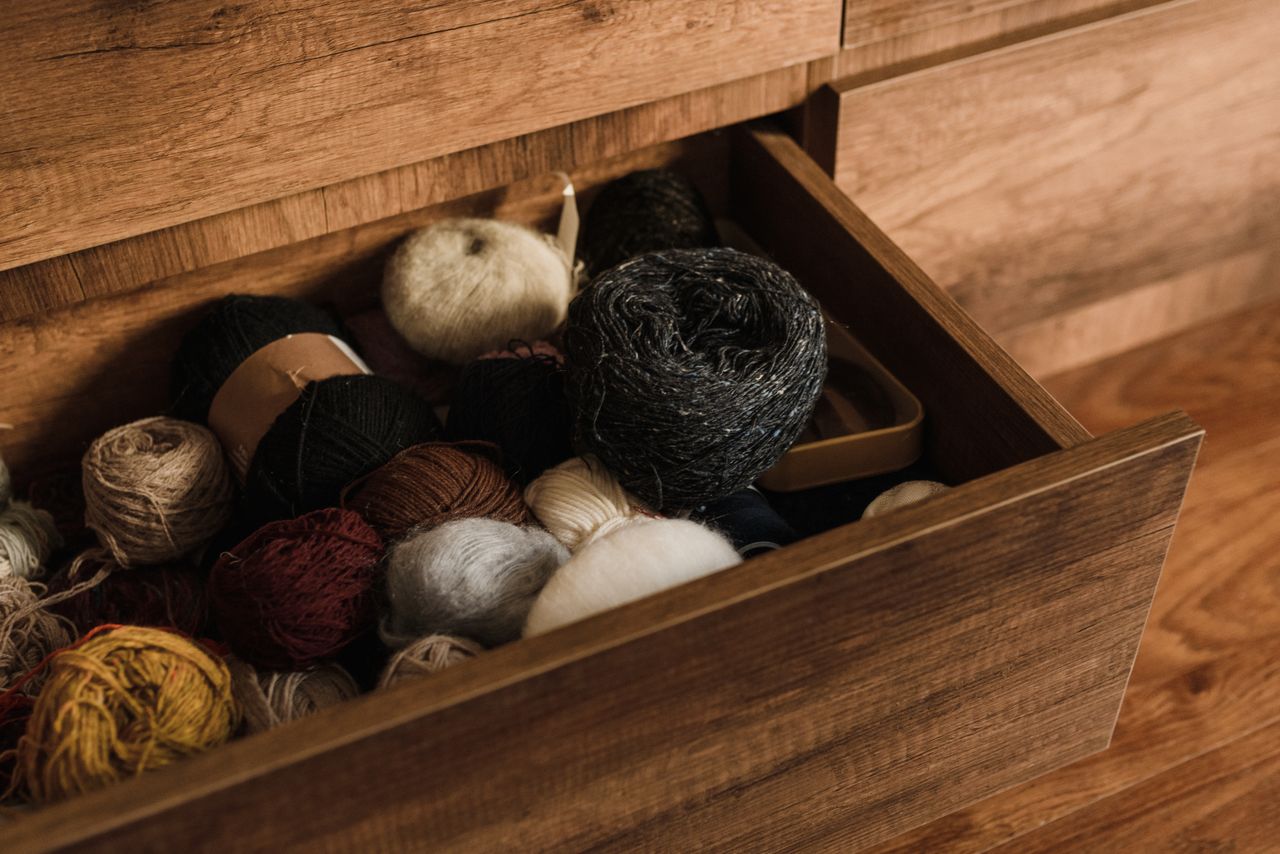
My house is, essentially, a graveyard of good intentions — spread across drawers, cupboards, the space under the bed and a portion of the attic. Crochet hooks in all the sizes I was certain I needed. Yarn in colours I fell hard for and then never touched again. And somewhere in all that is a sketchbook with maybe forty pages I’m actually proud of — a drawing style that’s genuinely mine, that I worked out slowly and got real joy from — and then nothing. Blank pages. A clean edge where the enthusiasm just… stopped.
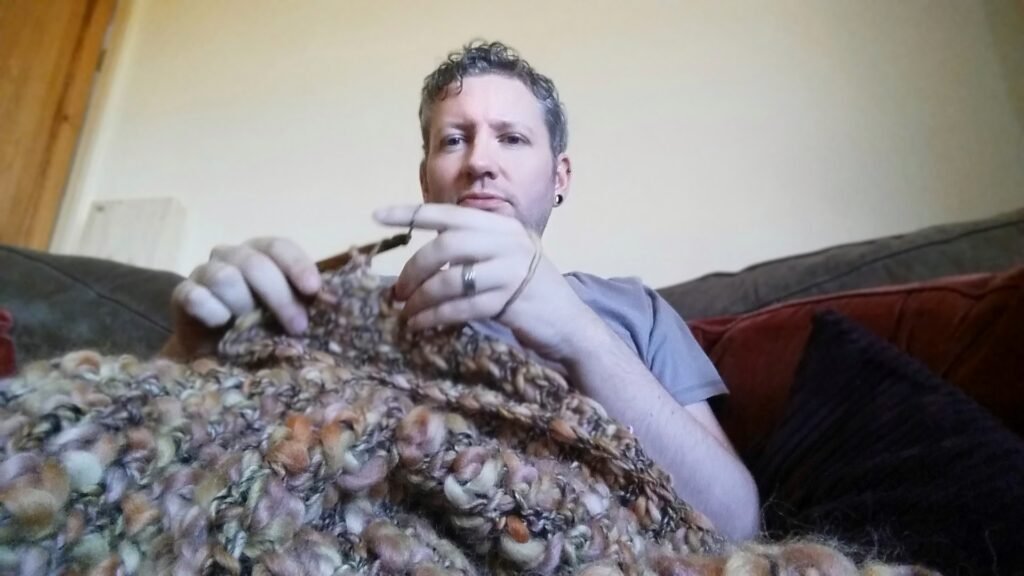
And here’s the part I want to say before any of the science: I didn’t stop because I’d found something better. There was no upgrade. I didn’t trade drawing for something more worthwhile — I traded it for nothing at all. The drawing mattered to me. The crochet mattered to me. I got good at both. I learned amigurumi off YouTube on a whim, bought a frankly indefensible amount of yarn, and ended up both adapting other people’s patterns and designing my own. And then one day I didn’t pick it up, and the next day I didn’t either, and a fortnight on the whole thing had quietly slid off the edge of my mind.
This blog is on the list too, by the way. The long gap before this post wasn’t me not wanting to write. It was the same tide going out.
If you do this as well, you already know it isn’t laziness. So what is it?
Why does the ADHD brain keep walking away from things it loves?
For an ADHD brain, motivation doesn’t run on importance — it runs on interest, and interest is a chemical event, not a character flaw.
Dr William Dodson describes ADHD people as having an interest-based nervous system rather than the importance-based one most neurotypical folks operate on. We’re moved by five things — interest, novelty, challenge, urgency and passion (he tidies it into the acronym INCUP) — and underneath all of them sits dopamine, the brain’s “this is worth your attention” chemical.
A brand-new hobby is basically a dopamine fountain. Everything about it is novel and a bit challenging, so the chemistry flows and the engagement feels effortless — that almost embarrassing intensity where you order the good hooks at 1am. But then competence arrives. You crack your own style. The challenge softens, the novelty drains, and the brain quietly stops paying you for showing up.
So it wasn’t that I got bored of being good. It’s that the newness had been doing most of the heavy lifting all along — and once it was gone, the floor fell out.
The hobby didn’t die — it just left my field of vision
What looks like losing interest is often just losing sight: ADHD “object permanence” means a passion you can’t see stops feeling real.
Nobody with ADHD literally forgets that objects exist when they’re hidden — it’s a metaphor people reach for to describe something true. The yarn goes in the drawer, the sketchbook goes in the cupboard, and with them goes the entire identity of person who draws. It’s a working-memory thing: you know the thing is there, you just can’t keep an active picture of it in your head without a cue in front of you.
Which is grimly funny, when you think about it. The tidier I am — the more responsibly I “put my hobby away” — the more reliably I delete it from my own life. Out of sight, out of mind, out of existence.
And then there’s the energy, which nobody warns you about
You can love something and still not have the capacity for it — wanting and being able are two separate budgets.
Christine Miserandino’s spoon theory has been borrowed half to death, but it’s borrowed for a reason: you wake up with a finite number of spoons, and every task spends one. Here’s the bit that’s specifically AuDHD, though. A high-masking autistic day spends a fat stack of spoons before anything optional gets a look in — the constant low-grade admin of translating, performing “fine”, and — from the autistic side — the sensory regulation that never really clocks off. Add ADHD executive load and a parenting life that already runs hot, and by the time the day’s obligations are met, “sit down and crochet purely for the joy of it” is competing for spoons that simply aren’t there.
So the hobby doesn’t get abandoned out of indifference. It gets triaged. Those are not the same thing, and the difference matters.
What if leaving isn’t the failure?
I’ve spent years treating the drop-off as evidence of something — flakiness, shallowness, a worrying inability to finish. But look at the actual ledger. The forty good pages still happened. The amigurumi still exist on a shelf. The skill is still in my hands, not deleted, just dormant.

That reframes the whole shape of it. These interests aren’t a staircase I keep falling off. They’re seasonal — they come back round if I let them, and coming back is never starting from zero.
A few things I’m trying, more in hope than confidence:
- Keep the cue in sight. The hooks live in the drawer because I want my space tidy — but tidy is what’s killing the habit. Leave one project out, on purpose.
- Lower the bar for return. Picking it up after months doesn’t require a grand re-commitment. Three stitches counts. One sketch counts.
- Treat it as a tide. Going out doesn’t mean it won’t come back in.
I’m not great at any of this yet. I’d be lying if I tied a bow on it. So here’s where I actually am: I’m back, I’ll try to keep going, and if I drift off again — statistically, reader, I might — I’m going to do my best not to read it as proof of anything except that I’ve got the brain I’ve got. That’ll have to be enough for now.
If your hobbies vanish on you the same way, I’d genuinely love to know what brings yours back. The comments are open — and notoriously underused, so you’d be in rare company.
Leave a Reply