
When the “Break” Breaks You: Parenting, Trauma, and the Liverpool Slog
We’d been working so hard. Honestly, by the time our break to Liverpool rolled around, I was beyond exhausted. You know that kind of tired that feels like it’s settled into your bones? That was me. So, four days in the city—just the four of us—felt like the promised land.
We did the prep work. Mostly. Or so I thought. But as any parent of a child with early childhood trauma knows, the things you don’t do are often the ones that come back to bite you on the arse.
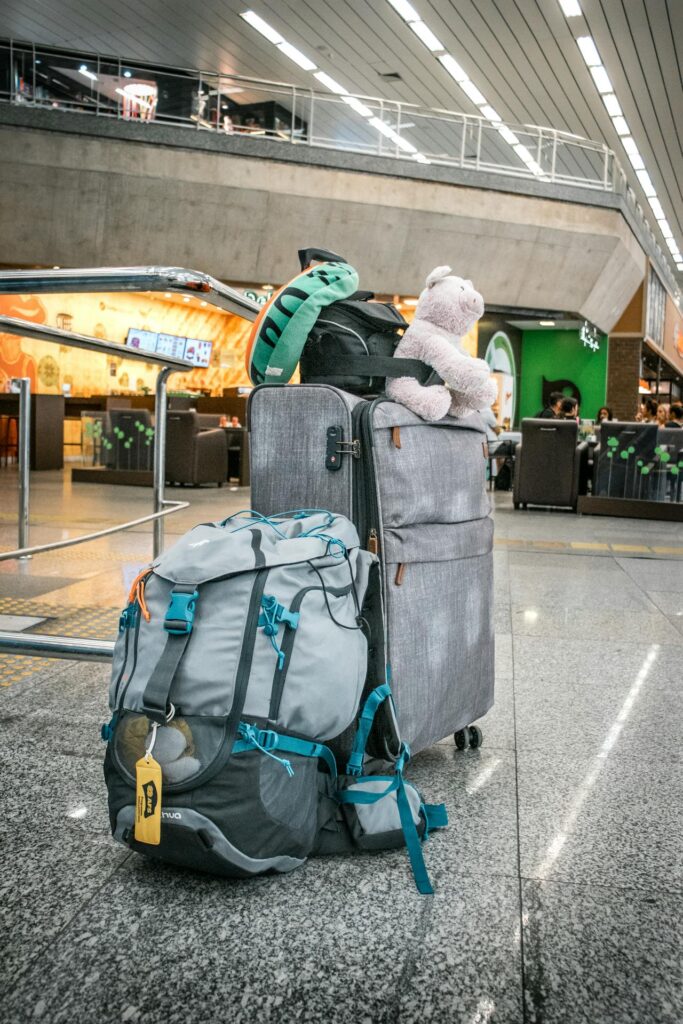
The journey was a bit of a slog—two trains, the usual luggage tetris, not enough seats for all of us—and then our eldest realised he’d forgotten his coat. Not the best start, but we pushed through. We even had a brilliant moment at a lovely vegan cafe my son had found while writing his own Liverpool travel guide. It was perfect: inclusive, delicious, and for a second, I thought, “We’ve done it. We’re actually doing the holiday thing.”
But that was where the nice part ended.
Understanding the Shift from “Moody” to Hypervigilant
Almost as soon as we left the cafe, things went downhill. Our son became moody, unpleasant, and seemingly ungrateful for every effort we made.
When a child with early trauma enters a new environment, their “moodiness” is often a survival response known as hypervigilance, triggered by a lack of predictable routine.
In the moment, it didn’t feel like I was looking at a scared child. It felt like I was being poked by a thousand tiny micro-aggressions. Because I’m neurodivergent myself, my sensory system was already on high alert from the trains and the city noise. As he became more dysregulated, I followed suit. All my hopes for a restorative break fell away as I became increasingly snappy. We weren’t a family on holiday; we were four people trapped in a cycle of nervous system static. Co-escalating.
The Science of Why Holidays Feel Like a Threat
For children who have experienced early trauma, “fun” and “new” can often translate to “unsafe” in the brain’s limbic system.
Transitions and holidays strip away the external scaffolding (routines and familiar faces) that trauma-impacted children rely on to feel secure.
When we eventually got home and the dust began to settle, I did some “wondering” with him. We’ve been trying to use the PACE (Playfulness, Acceptance, Curiosity, Empathy) approach, though I’ll be the first to admit that through sheer exhaustion, I struggled to find the “P” for Playfulness or the “C” for Curiosity while we were away.
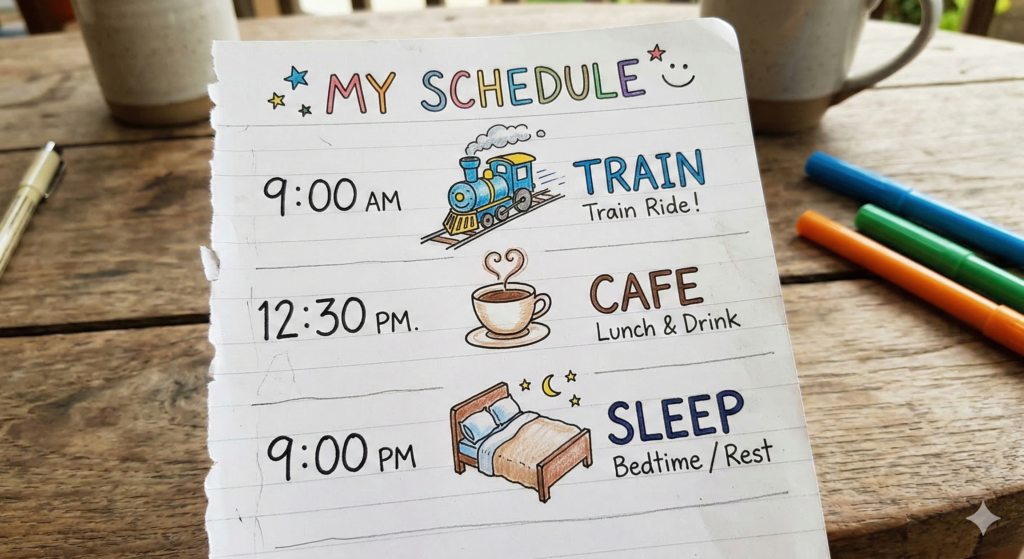
But back in our own space, it started to come out. It wasn’t that he didn’t like Liverpool. It was the lack of routine. We hadn’t done a holiday timeline like we usually do—one of those small but vital pieces of scaffolding we’d mistakenly thought he’d outgrown. He hadn’t.
The Complexity of the Neurodivergent Parenting Loop
Parenting is complex, but parenting neurodivergent children with trauma histories as a neurodivergent parent is a whole different level of chess.
Effective parenting in high-stress moments requires constant reflection and the grace to admit when our own dysregulation is feeding the fire.
My husband wondered if the absence of grandparents played a part—they often join us, providing another layer of “safe” adults to co-regulate with. My son agreed. Between the missing timeline, the missing grandparents, and a schedule that was probably too “packed,” he simply didn’t feel safe.
We realise now that our breaks are often too full. We try to see everything, do everything, and justify the cost of the trip, but we forget the cost to the nervous system.
A New Way Forward: Load Balancing and “Day Zero”
If I’ve learned anything from this “slog” of a break, it’s that we need to change our geometry and, more importantly, effectively load balance our time.
To successfully navigate transitions, families must move away from back-to-back activities and ensure that every “busy” day is buffered by significant, non-negotiable recovery time.
Next time, we’ll plan for a “Day Zero.” A day where we do nothing but settle into the accommodation, eat familiar food, and let everyone’s nervous system recalibrate. We’ve realised we can no longer have those days where we don’t stop; for every high-energy city exploration, we need a corresponding day of rest to manage the sensory and emotional load.
We’ll bring back the timelines. We’ll accept that a “rest” for us might look like a “nothing” day for someone else. We were pleased to come home, and that’s okay. Parenting in this intersection of trauma and neurodivergence isn’t about getting it right every time—it’s about having the courage to pull it apart afterwards, find the missing pieces, and try again with a bit more curiosity and a lot more grace.

Leave a Reply