
I’ve always found friendship… well, hard. For most of my life, I’ve felt like I’m standing on the outside of a party, pressing my face against the glass, utterly baffled by the easy, flowing connections I see within. It’s not that I’ve ever felt antisocial – quite the opposite, in fact. I’ve always craved connection, longed for those friends you see in films, the ones you can just be with, the ones you can hang out with and be your truest, most authentic self around.
But the rulebook for making and keeping them? It might as well have been written in a language I couldn’t decode. There was always this nagging feeling… am I too much? Or, on the flip side, do I expect too much? The wonderful, brilliant news – the news I want to share with you – is that I’ve finally started to find that. It is possible.
The Loneliness of the Situational Friendship
Looking back, almost all the relationships I thought of as solid friendships have been situational. They were built around the shared geography of school, or the enforced proximity of the workplace. And don’t get me wrong, I truly cherish the memories and the people from those times. But for me, they seemed to have an expiry date, a quiet dissolving that happened once the situation changed.
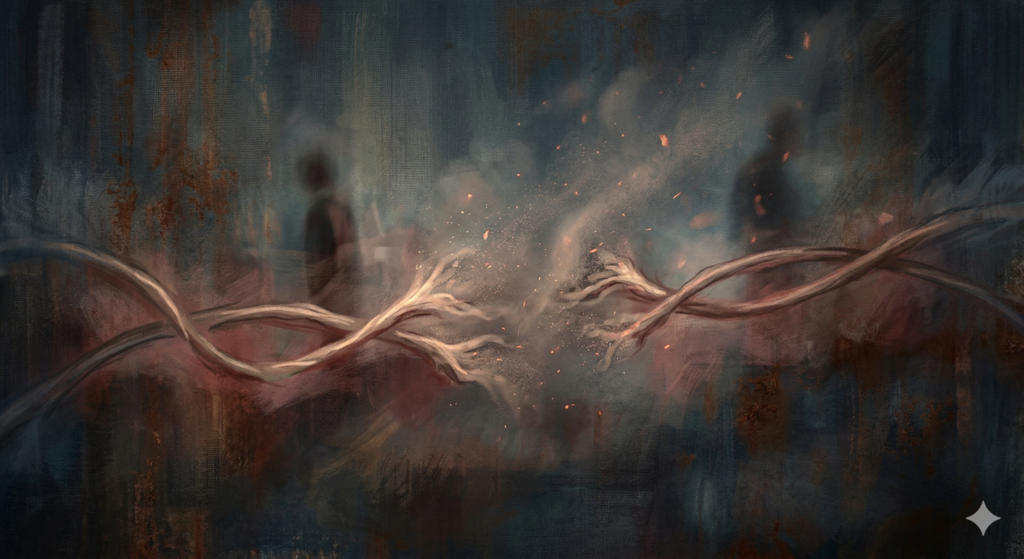
Even at the time, I could see it happening. I’d watch colleagues make plans for the weekend, or see schoolmates heading out together after the bell rang, and I never felt included. It wasn’t an active, cruel exclusion; it was more like I was easily forgotten, an afterthought. Unwanted, maybe. I never pushed myself forward – I wouldn’t have known how – and perhaps that was just seen as disinterest. This is something many of us autistic folk experience; we connect deeply around a shared task or interest, but the leap to a context-free friendship can feel like a chasm. When the shared ‘thing’ is gone, the connection can feel like it’s gone with it.
Leaving the place I’d worked at for 20 years brought this into sharp, painful focus. Watching those friendships dissolve hurt. And worse, I know I played a part in it. To protect myself and my family from a few particularly unpleasant people, I put up walls that pushed some of the good ones away, too. It’s a tangled, difficult thing, and I’m only just now tentatively reaching out, hoping to reconnect. Even that feels hard.
Am I Too Much? The Awkward Dance of Connection
For me, the core of the struggle has always been this profound sense of awkwardness. I’m either completely clammed up, terrified of saying the wrong thing, or I’m a firehose of oversharing – letting every thought and feeling spill out, only to be flooded with regret and shame later. There never seemed to be a happy medium.
This isn’t a personal failing; it’s a difference in wiring. Autistic communication is often direct, honest, and passionate, especially about our interests. We can miss the subtle subtext in a conversation, that invisible dance of neurotypical socialising, which can leave us feeling out of step. That swing between saying nothing and saying everything is often a desperate attempt to connect, to bridge that gap, but it can end up feeling like we’re just making it wider.
And when you layer other parts of your identity on top… well, it gets even more complex. As a gay man, finding community is everything. It’s a lifeline. But for years, navigating that felt just as fraught with invisible rules and potential missteps. I was trying to find people who understood one part of me while desperately masking the other.
A Way Illuminated: Seeking Out My Fellow Geeks
The big shift for me, the real turning point, was when I stopped trying to fit into existing friendship shapes and started looking for people who were shaped like me. I leaned into my interests. I stopped seeing my geekiness as something to hide and started seeing it as a beacon.
And it worked.
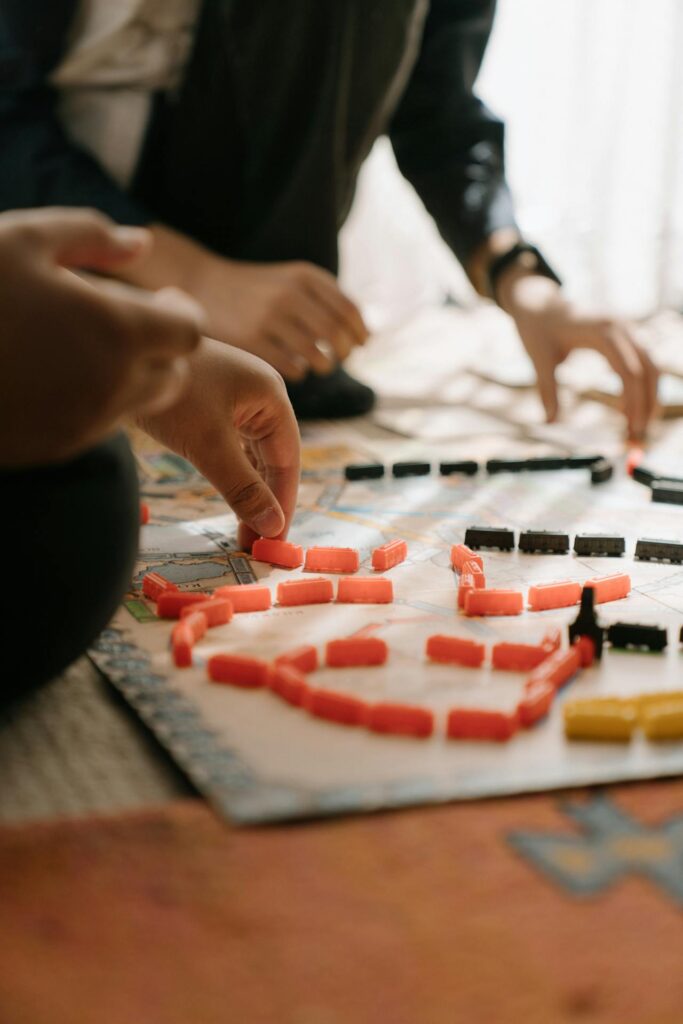
Recently, I’ve made a couple of friends with whom I can be my geekiest, most enthusiastic self. The connection isn’t based on a place; it’s based on a shared passion for the same things. It’s wonderful. There’s an ease to it that I’ve never known before. This is the magic, I think, for so many of us on the neurodivergent spectrum. Finding people who love what you love bypasses all that awkward small talk and gets straight to the heart of the connection.
Crucially, this has also meant embracing community with other gay and neurodivergent people. Finding friends who are also a bit on the more neurodivergent side, who just get it, has been a revelation. There’s a shared understanding that removes a whole layer of social anxiety. The mask can finally come off, and it’s the most liberating feeling in the world.
Building Friendships on Honesty (and a Gentle Nudge)
So I found some people. The next challenge? Keeping them. My energy for socialising can be a bit like a faulty phone battery – it goes from 100% to 5% with very little warning. In the past, when I’ve inevitably gone quiet, friendships have faded.
This time, I’m trying something new: honesty.
I’ve been open with my new friends. I’ve explained that sometimes I just drop off the face of the earth, not because I’m upset with them, but because I’m overwhelmed or sliding into burnout. It’s not them, it’s me. And then I did something that felt terrifying but necessary: I asked them to give me a nudge if it happens. A gentle “Hey, how are you?” can be the rope I need to pull myself back.

This isn’t being demanding; it’s just communicating your needs. It’s reframing what can be perceived as rejection into an act of self-regulation. And real friends, the ones who are worth your precious energy, will understand.
The journey is far from over. I still have moments of doubt and awkwardness. But for the first time, my life is filled with a few people who I am excited to see, and who seem just as excited to see me. It turns out I wasn’t “too much” after all. I just needed to find the people who spoke my language.
Leave a Reply